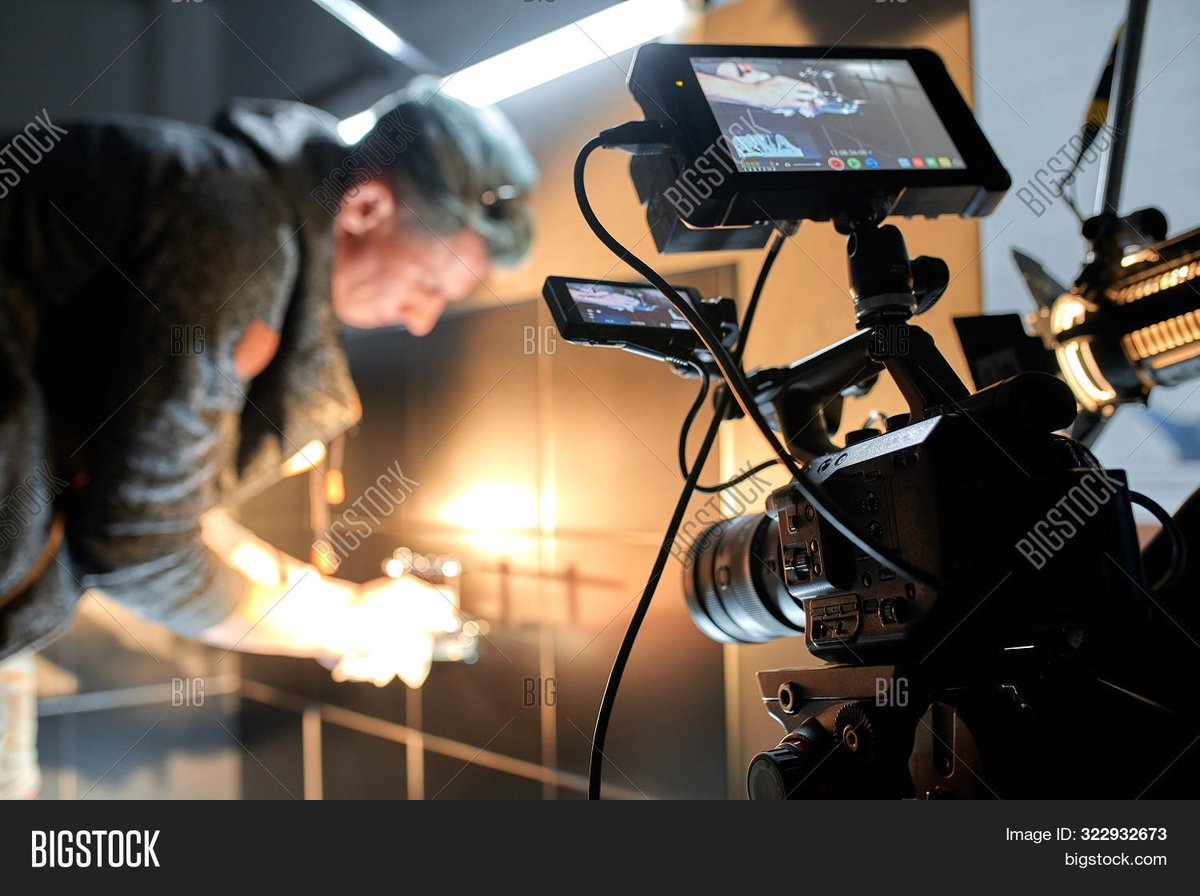
If you’ve ever found yourself glued to the screen, heart pounding as doctors at Grey Sloan Memorial Hospital race against time, you've probably wondered: How do they do it? How does a show so steeped in medical intensity and dramatic realism come to life? The truth behind the real hospital magic, the kind that unfolds in "Behind the Scenes: Filming Grey Sloan," is a fascinating blend of meticulous planning, Hollywood wizardry, and an unwavering commitment to detail.
It’s more than just actors in scrubs; it’s an entire ecosystem of creative professionals building a world that feels incredibly real, even when it’s primarily filmed thousands of miles from its Seattle setting. You're about to discover the secrets that make Grey Sloan Memorial feel like a place you could walk into right now.
At a Glance: Unpacking Grey Sloan's Filming Secrets
- L.A. is the Real Star: While set in Seattle, most of Grey's Anatomy is filmed in Los Angeles.
- Two Hospitals, One Illusion: The exterior of Grey Sloan is a real VA center in North Hills, CA; interiors are elaborate soundstage sets.
- Meticulous Sets: Operating rooms, ERs, and even the intern locker room are built on soundstages with genuine medical equipment.
- Meredith's House: Exterior shots are from an actual Seattle home, interiors are built on an L.A. soundstage.
- Prospect Studios: The central hub in Los Feliz, Los Angeles, where the magic truly happens.
- The Four Stages of Creation: Every episode follows a journey from script to screen: crafting, pre-production, production, and post-production.
- Authenticity is Key: Medical consultants and realistic props ensure a believable experience for viewers.
The Great Illusion: Why Grey Sloan Lives in Los Angeles
You might imagine the bustling Seattle skyline constantly in view, ferries crossing Puget Sound, and rain-slicked streets as the backdrop to every medical crisis. And for some establishing shots, you’d be right! The production team does occasionally venture to Seattle to capture its distinct essence and scenic beauty, ensuring the city feels like a character itself.
However, the day-to-day operations of filming a high-stakes medical drama demand consistency, control, and convenience. This is precisely why the majority of Grey's Anatomy, including nearly all scenes inside Grey Sloan Memorial, is filmed over a thousand miles away in Los Angeles, California.
Filming in L.A. offers unparalleled environmental control, shielding the demanding production schedule from unpredictable weather. It also centralizes the vast pool of talent, crew, and specialized equipment that a show of this scale requires. This strategic decision allows for greater efficiency, making it easier to manage the complex logistics of producing over twenty episodes each season. For those curious about where Grey's Anatomy actually films, the answer is a fascinating tale of two cities.
Building the Hospital from the Ground Up: Exterior vs. Interior Realism
Grey Sloan Memorial isn't just one building; it's a clever composite designed to trick your eyes into believing it’s a single, cohesive medical institution.
The Hospital's Face: A Real-Life VA Center
When you see the iconic exterior of Grey Sloan Memorial Hospital, with ambulances rushing in and doctors hurrying through its doors, you’re actually looking at the Veterans Administration Sepulveda Ambulatory Care Center in North Hills, California. This functional medical facility lends its impressive façade to the show, providing a realistic, large-scale hospital exterior that immediately grounds the series in credibility. The architecture and landscaping provide the perfect backdrop for the high-stakes drama that unfolds within.
Stepping Inside: The Soundstage Sanctuary
The moment you step through those exterior doors, you're no longer in North Hills. Instead, you've entered the meticulously crafted world of Prospect Studios in Los Feliz, Los Angeles. Here, on sprawling soundstages, the true magic of Grey Sloan is built from the ground up.
Imagine walking onto a set that houses:
- Operating Rooms: Equipped with genuine surgical lights, monitors, and an array of instruments that would make any real surgeon feel at home.
- Emergency Rooms: Bustling with gurneys, IV poles, and all the chaos you'd expect from a major trauma center.
- Endless Hallways: Designed to feel expansive and labyrinthine, perfect for dramatic walk-and-talks and frantic sprints.
- The Iconic Intern Locker Room: A familiar space where careers are made, broken, and where countless emotional scenes have played out.
- The Nurse's Station: The nerve center of the hospital, complete with realistic charts, computers, and medical paraphernalia.
These aren't just empty rooms; they are fully dressed, highly functional sets. The attention to detail is paramount, down to the labels on medical supplies and the specific monitors used. This level of authenticity is crucial for both the actors, who need to feel immersed in their environment, and the audience, who demand a believable medical drama.
Beyond the Hospital: Meredith's House and Seattle's Stand-Ins
Grey Sloan isn't the only pivotal location on the show. Meredith Grey's house, a character in its own right, also plays a dual role in its filming. For exterior shots, the production uses an actual charming house in Seattle's historic Queen Anne neighborhood, capturing its unique Pacific Northwest vibe. However, the emotional interior scenes – the kitchen gatherings, the intense heart-to-hearts, the quiet moments – are all filmed on a mirrored set, meticulously recreated down to the smallest detail, back in Los Angeles.
This duality extends to Seattle's broader cityscape. Various other locations around Los Angeles, including parks, beaches, and bustling streets, are expertly scouted and transformed to double as Seattle's diverse landscapes. This creative re-imagining allows the production to maintain its L.A. base while still delivering the visual cues that firmly place the narrative in Seattle.
Prospect Studios: The Heartbeat of Shondaland's Medical Empire
For over a century, Prospect Studios, nestled in the vibrant Los Feliz neighborhood of Los Angeles, has been a cornerstone of film and television production. Built in 1915, this historic complex serves as the undisputed epicenter for Grey's Anatomy. It's here that the show's intricate world truly comes alive.
The studio isn't just a collection of sound stages; it’s a self-contained production village. Within its grounds, you’ll find:
- Numerous Sound Stages: Each housing various Grey Sloan sets, ready for filming at a moment’s notice.
- Production Offices: Where writers, producers, and the entire creative team craft the show's compelling narratives.
- Costume and Prop Departments: Bursting with scrubs, surgical gowns, and an astounding collection of medical equipment.
- Post-Production Suites: Where the raw footage is transformed into the polished episodes you watch.
This centralized hub streamlines the entire production process, from the first script read-through to the final color grading. It’s equipped with cutting-edge filming and editing technology, allowing the team to push the boundaries of visual storytelling and create a high-quality product week after week. If you're fascinated by the storied history of Prospect Studios, it’s a testament to Hollywood’s enduring magic.
The Four Stages of Bringing Grey Sloan to Life: From Concept to Screen
Creating a single episode of Grey's Anatomy is an incredibly complex undertaking, involving hundreds of dedicated individuals and a highly structured process. It's a journey that can be broadly categorized into four key stages:
1. Script Crafting: The Blueprint of Drama
It all begins with the story. A team of writers, often drawing inspiration from real medical cases and the personal lives of the characters, develops the narrative arc for each episode. This stage involves intense brainstorming, outlining, and multiple drafts to ensure compelling storylines, sharp dialogue, and authentic medical scenarios. The script is the blueprint, detailing every scene, line of dialogue, and action, setting the stage for everything that follows.
2. Pre-Production: Laying the Foundation
Once a script is locked, pre-production kicks into high gear. This is where the world of the episode starts to take tangible form.
- Casting: Guest stars and recurring characters are cast to bring new life to the stories.
- Location Scouting: While most of Grey Sloan is on a soundstage, specific exterior scenes or unique locations are identified and prepared.
- Set Design and Construction: Art directors and set decorators meticulously plan and dress the sets, ensuring every detail, from the medical charts to the paintings on the wall, aligns with the script and maintains the show's aesthetic. This includes sourcing and setting up that genuine medical equipment mentioned earlier.
- Wardrobe and Props: Costumes are prepared, and all necessary props, from scalpels to patient files, are organized.
- Scheduling and Budgeting: Directors, producers, and a host of creative professionals collaborate to plan the intricate shooting schedule and manage the budget, ensuring resources are allocated effectively.
This stage is all about meticulous planning, ensuring that when cameras roll, everything is in place for a smooth and efficient shoot.
3. Production: Lights, Camera, Action!
This is the most visible stage: filming. For days, sometimes weeks, the cast and crew work tirelessly on the meticulously designed sets at Prospect Studios or on various L.A. locations.
- State-of-the-Art Technology: The production utilizes cutting-edge equipment for lighting, sound recording, and camera angles, ensuring a high cinematic quality.
- Directing the Drama: The director guides the actors, blocking scenes and extracting powerful performances.
- Technical Precision: Camera operators, gaffers, grips, and sound engineers work in harmony to capture every shot perfectly.
- Medical Accuracy: On-set medical consultants are often present to advise on procedures, ensure terminology is correct, and guide actors in performing realistic medical actions. This dedication to authenticity is a key reason Grey's Anatomy has such staying power and makes the complexities of medical drama production so fascinating.
Each scene is shot from multiple angles, often requiring numerous takes, all while adhering to a demanding schedule.
4. Post-Production: Weaving the Final Tapestry
After all the filming is complete, the footage moves into post-production, where the episode is polished into its final form.
- Editing: Editors painstakingly assemble the best takes, shaping the narrative flow, pacing, and emotional impact of each scene.
- Special Effects (VFX): While Grey's isn't a sci-fi show, visual effects are used for things like enhancing medical procedures, adding realistic blood and gore where needed, or seamlessly blending different filming locations.
- Color Grading: The footage is color-corrected and graded to establish a consistent visual tone and mood for the episode.
- Sound Design: Beyond dialogue, sound designers add ambient hospital noises, dramatic score, sound effects for medical instruments, and mix all audio elements to create an immersive auditory experience.
- Musical Score: The iconic soundtrack of Grey's Anatomy is carefully integrated, amplifying emotions and defining key moments.
This final stage transforms raw footage into the compelling, emotionally resonant episodes that millions of viewers worldwide tune in to watch. It's a testament to the power of storytelling and technology.
Addressing Common Questions About Grey Sloan's Filming Reality
How do they make the surgeries look so real?
The authenticity of Grey's Anatomy surgeries is a combination of several factors:
- Genuine Medical Equipment: The operating room sets are furnished with actual surgical tools, monitors, and equipment.
- Prop Organs and Blood: Highly realistic prosthetics and special effects makeup create believable anatomical structures and copious amounts of theatrical blood.
- Medical Consultants: The show employs real doctors and nurses who advise on surgical procedures, medical terminology, and how doctors would behave in a real-life scenario. They coach the actors on everything from holding a scalpel correctly to performing CPR.
- Camera Angles and Editing: Clever camera work often focuses on the actors' faces or hands rather than graphic details, and quick cuts in editing enhance the sense of urgency without overexposing the audience to anything overtly fake.
Do the actors actually learn medical procedures?
While actors aren't performing real surgery, they do receive extensive training from medical consultants. This includes learning how to hold instruments, suture, perform compressions, and deliver medical dialogue with conviction. Their commitment to learning these details greatly contributes to the show's realism.
What happens to all the props and sets after a season?
Many of the props, especially the larger medical equipment and set dressings, are stored and reused season after season. Sets like the ORs or the intern locker room are permanent fixtures on the soundstages at Prospect Studios, constantly redressed and maintained. Smaller, expendable props are replaced as needed. When the show eventually concludes, many iconic props and set pieces will likely find their way into archives or exhibitions.
How do they manage the continuity between L.A. and Seattle shots?
Continuity is a major challenge for any show that uses multiple filming locations. The production team uses detailed notes, photographs, and video playback during filming. They also have dedicated continuity supervisors whose job it is to ensure that everything—from the position of a prop to the lighting and weather conditions—matches seamlessly when cutting between L.A.-filmed scenes and occasional Seattle footage. This meticulous planning is key to maintaining the illusion.
The True Magic: A Human Story at its Core
Ultimately, the technical wizardry, the dual cities, and the meticulous sets all serve one purpose: to tell compelling human stories. From the dramatic highs of successful surgeries to the devastating lows of loss, Grey Sloan Memorial Hospital provides a stage for characters to grapple with life, death, and everything in between.
The "Behind the Scenes: Filming Grey Sloan" journey reveals that the show's enduring appeal isn't just about the medical cases; it's about the very human drama unfolding within a world so carefully constructed, it feels like an extension of our own reality. The next time you watch, you’ll not only appreciate the gripping storylines but also the incredible dedication and artistry that go into creating television's most famous fictional hospital. It’s a place where you can truly Explore Grey Sloan Memorial and feel like you're part of the action, even if it's all just brilliant, real hospital magic.